







Search Results for: Single-origin coffee bean naming
The Difference Between Single-Origin Coffee and Espresso: A Comprehensive Guide to Coffee Naming Rules, from Origin Labels to Roast Levels
Walking into a specialty coffee shop or opening the website of a professional coffee bean merchant, do you ever feel overwhelmed by the dazzling array of coffee names? Why are coffee bean names so long? How exactly do you tell the difference between single-origin, dark roast, and espresso? What information is actually hidden behind these complex names? This article will walk you through the key elements of coffee bean naming one by one, including origin labeling, roast level, grading systems, and small-lot estate farms. From the solo performance of single-origin coffee to the concerto of coffee blends, from Northern Italian light roast to French dark roast, and on to grading codes like SHB and AA+, you'll never be confused again the next time you shop for coffee—you'll easily read the ID card of every bag of coffee beans. [more…]
A Beginner's Guide to Single-Origin Coffee: Definitions, Classic Regional Flavor Profiles, and Signature Blend Ratio Analysis
What exactly is single-origin coffee? How does it differ from regular coffee? This article will guide you through a systematic understanding of the basic definition and naming rules of single-origin coffee, and review one by one the origins, flavor characteristics, and suitable drinkers of classic single-origin coffees such as Blue Mountain, Colombia, Brazil, Mandheling, Mocha, Kona, and charcoal roast. At the same time, the article also compiles representative single-origin bean blending ratios oriented toward acidity, bitterness, richness, and mildness, for coffee lovers' reference. If you are looking for a reliable channel to buy single-origin beans, Front Street Coffee offers a variety of single-origin beans from classic regions, which can serve as choices for beginners and more advanced drinkers. [more…]
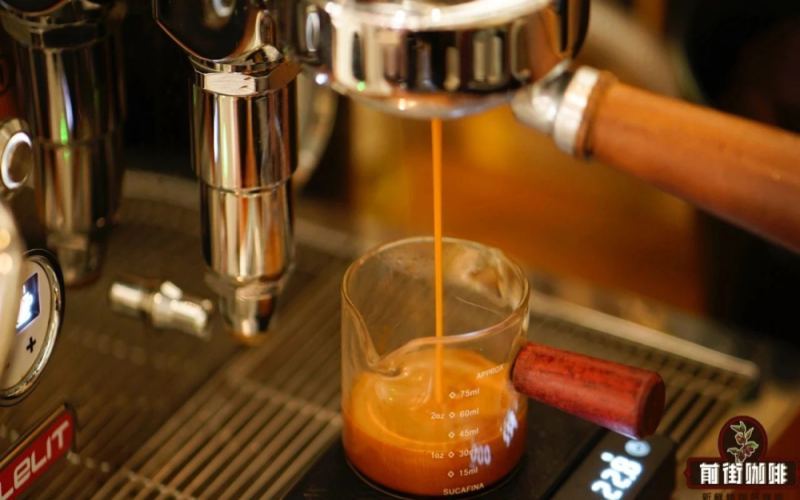
How Are Espresso Blends Different from Single-Origin Coffee Beans? A Complete Guide to the Basics for Beginners
Friends who are new to coffee often can't tell the difference between single-origin beans and espresso blends. This article systematically sorts out the core differences between these two types of coffee beans, from definitions and naming methods to flavor characteristics and practical application scenarios. Single-origin coffee emphasizes the regional flavor of a single origin, and is usually drunk without sugar or milk; blended coffee, on the other hand, pursues a balanced and rich taste by mixing multiple kinds of beans, and serves as the base for fancy coffee drinks. The article also introduces in detail the recipe concepts, flavor performance, and suitable scenarios of Front Street Coffee's five espresso blends, helping coffee lovers make the right choice according to their own needs. [more…]
A Comprehensive Analysis of Single-Origin Coffee, Espresso, and Americano: A Complete Guide from Origin Flavors to Classic Specialty Coffee
The world of coffee is far richer than one might imagine. When classified by brewing method, the three common categories are espresso, French press, and American-style, while café menus typically present only two main directions: single-origin and specialty coffee. Single-origin coffee emphasizes the terroir of its place of origin, served without milk or sugar, with Blue Mountain, Brazil, Colombia, and Mandheling each possessing a distinct character; specialty coffee, on the other hand, relies on milk foam, milk, and decorative flavorings, with latte, cappuccino, and Irish coffee each having their own following. This article systematically sorts out the origin characteristics and flavor differences of single-origin coffee, explains in detail the balanced expression of acidity, bitterness, and body in common single-origin beans, and introduces the recipes and taste characteristics of several classic specialty coffees, helping coffee enthusiasts build a clear understanding of coffee classification and find the cup that suits their own taste. [more…]
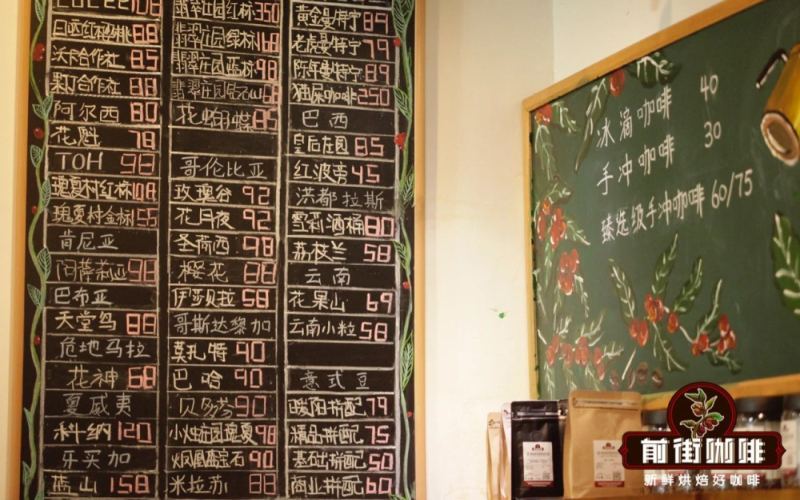
A Full Analysis of Single-Origin Coffee Bean Naming Rules: The Naming Logic from Origins and Competition Titles to Estate Brands
Step into Front Street Coffee, and faced with the long and short names on the bean list, many coffee lovers can't help but wonder: where exactly do these names come from? This article systematically sorts out the several mainstream naming methods for single-origin coffee beans—naming by producing region or producer, naming by green bean competition titles, naming by estate product lines, and the historical origins of the special name Mandheling. It also explains the meanings of common suffix letters and numbers such as G1, AA, and SHB, helping you understand the information behind the bean list and shop with greater confidence. [more…]

What is the full name of SOE coffee? An analysis of the extraction time and flavor characteristics of single-origin espresso
For those new to espresso, the term SOE sounds both unfamiliar and somewhat upscale. What exactly does it mean? In fact, SOE is the abbreviation for "Single Origin Espresso," referring to espresso made from coffee beans of a single origin. This type of coffee can showcase distinct regional flavors, but it also comes with practical issues such as higher prices and unstable batches. Starting from the definition, historical background, and pros and cons of SOE, this article will further compare the differences between SOE beans and regular single-origin beans in terms of roast level and extraction method. Using Ethiopian Red Cherry coffee beans as an example, it will demonstrate the specific parameters and flavor profiles of both SOE and pour-over, helping coffee enthusiasts gain a more comprehensive understanding of this coffee type. [more…]
Jamaica Blue Mountain, Yemen Mocha, and Indonesian Mandheling: A Comprehensive Analysis of the Flavor Differences Among Three Classic Single-Origin Coffees
Blue Mountain, Mocha, and Mandheling—these three familiar names are actually single-origin coffees named after their places of origin. They come from Jamaica, Yemen (or Ethiopia), and Indonesia respectively, and because of differences in terroir and processing methods, they present distinctly different flavor profiles. This article will systematically sort out the differences among these three classic coffees from the perspectives of origin, bean variety characteristics, roasting performance, and taste direction. It will also mention Java, Colombia, and other coffees likewise named after their origins as references, helping you more clearly understand their individual personalities and the drinking scenarios they suit. The article includes recommendations for Front Street Coffee-related products for your purchasing reference. [more…]
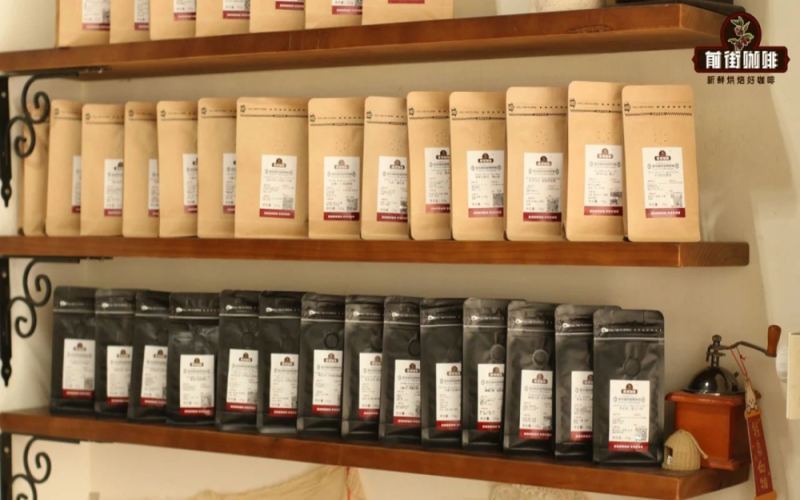
What are the common single-origin beans in specialty coffee shops? From origin to roast level, understand how to choose single-origin coffee beans in one article
Walking into a specialty coffee shop, the menu often lists names like Ethiopia, Mandheling, Colombia, and so on, leaving those new to coffee momentarily baffled. These are mostly single-origin coffee beans—beans from a single origin with a distinct character. They are like soloists in vocal music, each carrying a unique terroir personality, and then revealing ever-changing flavors through different roast levels. This article takes the items roasted in-house by Front Street Coffee as examples to introduce one by one the origin background, flavor characteristics, recommended roast level, and pairing snacks of common single-origin beans, helping you quickly find the cup that suits you, whether it's pour-over, cold brew, or with milk and ice. [more…]
A Comprehensive Analysis of Single-Origin Coffee vs. Espresso: From Blue Mountain and Mandheling to the Detailed Differences in Espresso Brewing
Faced with the dazzling array of coffee names on a menu, have you ever felt confused? Blue Mountain, Mandheling, Cappuccino, Latte—what exactly is the difference between these coffees? In fact, the coffee world is mainly divided into two major camps: single-origin coffees classified by region, and espresso-based Italian coffees. This article will systematically sort out the origin stories and flavor characteristics of classic single-origin coffee categories such as Blue Mountain, Mandheling, Brazil, and Mamba, explain in detail the key points of brewing methods such as siphon and pour-over, and deeply analyze the concentration standards, milk foam ratios, and crafting techniques of Italian coffee. Whether you are a beginner or a seasoned enthusiast, you can gain practical coffee knowledge from it. [more…]
How Are Blue Mountain, Mocha, and Mandheling Different? A Full Analysis of the Flavor Characteristics of Three Classic Single-Origin Coffee Beans
The naming of coffee beans is mostly closely related to their place of origin or distribution hub, and Blue Mountain, Mocha, and Mandheling are three of the most representative classic single-origin coffees. Blue Mountain comes from the Blue Mountains of eastern Jamaica, where fertile volcanic soil and a year-round misty, rainy climate produce a top-tier flavor with a perfect balance of sweetness, acidity, and bitterness, and no trace of harshness; Mocha originates from Ethiopian coffee exported through the Yemeni port of Mocha, and is known for its elegant, distinctive sweet-acidic-bitter profile and smooth mouthfeel, with Harar even hailed as "the coffee of the wilderness"; Mandheling, meanwhile, grows on the slopes of Sumatra at elevations of 750 to 1,500 meters, offering a rich aroma, full body, and slight notes of chocolate and syrup. This article will guide you through these three coffees one by one—their origin backgrounds, flavor characteristics, and ways to enjoy them—along with purchasing suggestions from Front Street Coffee. [more…]
A Beginner's Guide to Single-Origin Coffee: From Origin to Flavor, a Detailed Explanation of 15 Common Specialty Coffee Beans and Recipe Ratios
Single-origin coffee refers to pure coffee made from coffee beans of a single origin, usually without milk or sugar, in order to showcase the terroir of the origin itself. From Jamaican Blue Mountain to Hawaiian Kona, from Ethiopian Mocha to Indonesian Mandheling, each producing region has its own signature flavor imprint. This article will systematically sort out the origins, flavor characteristics, and drinking features of 15 common specialty coffee beans, and also include blending ratios for four representative types of single-origin beans—acidic, bitter, full-bodied, and mild—to help coffee lovers build a clear cognitive framework for single-origin coffee and find the cup that suits them. [more…]
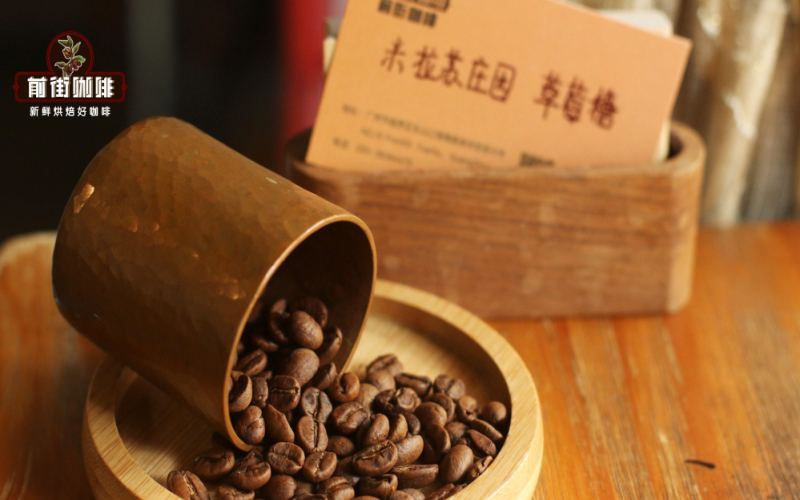
Analysis of the Definition of Single-Origin Coffee Beans and a Brewing Log of Costa Rica Mirazu Estate Raisin Honey-Process Geisha Blend
How exactly are single-origin coffee beans defined? This article begins with Front Street Coffee's Geisha blend, sorting out the naming logic and origin awareness of single-origin coffee, and takes a deep dive into Mirazu Estate in the Tarrazú region of Costa Rica, analyzing the composition of its multi-variety blend of Geisha, ET47, SL28, and Maico, as well as the processing details of the raisin honey method. The estate owner Esteban Sanches's formal academic background and experimental spirit give this bean both floral notes and berry sweetness. The article also fully presents Front Street Coffee's roasting curve, cupping report, and V60 brewing parameters, providing coffee enthusiasts with a full-process reference from green bean understanding to extraction execution. [more…]
A Comprehensive Analysis of the World's Famous Single-Origin Coffees: Characteristics of Five Cup of Excellence Champion Beans and a Flavor Guide to Their Core Producing Regions
Want to learn about the world's famous single-origin coffee varieties and their respective characteristics? This article will take you into the Coffee Belt to discover the unique flavors of classic origin coffee beans such as Geisha, Blue Mountain, Colombia, Brazil, Yirgacheffe, and Guatemala, and also outline the names and features of five Cup of Excellence champion beans. From origin distribution and processing methods to taste performance, each bean has a clear personality label. At the same time, the article also focuses on the influence of barista culture on the industry, especially the influence of the group of champion baristas in Taiwan. Whether you are a pour-over enthusiast who has just started out or a seasoned player looking for advanced flavors, this guide can help you quickly establish your own coffee flavor coordinates. [more…]
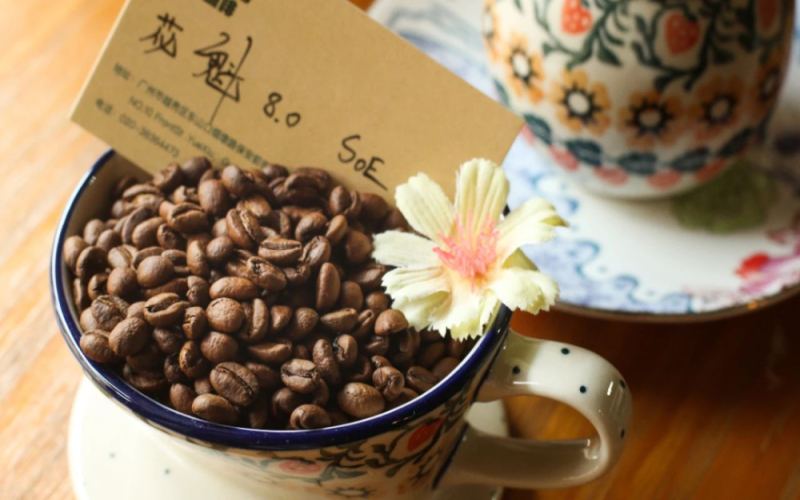
SOE Coffee Beans | What is the full name of SOE? Are SOE beans used for espresso or pour-over coffee? How big is the difference between SOE beans and single-origin pour-over beans?
More and more specialty coffee shops on the market are seeing a trend of SOE espresso, and many friends who come to Front Street Coffee (FrontStreet Coffee) also ask if there is SOE coffee~ Front Street Coffee (FrontStreet Coffee) stores currently offer [more…]
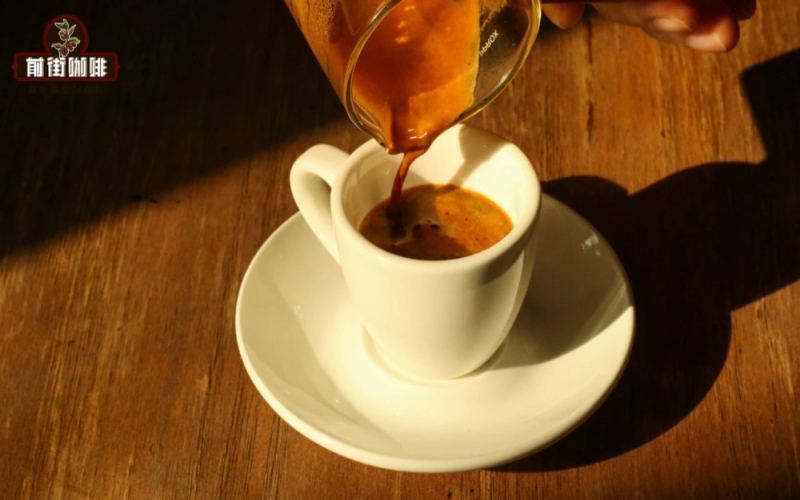
Analysis of Mandheling Single-Origin Coffee Flavor Characteristics, Differences from Espresso, and Key Brewing Points for Golden Mandheling
Mantenin and espresso are often compared side by side, but the two actually belong to different coffee systems. Espresso emphasizes speed and intensity of flavor, while single-origin coffee focuses more on origin culture and nuanced flavors, and the history of single-origin coffee predates that of espresso. Mantenin comes from Indonesia and, through the wet-hulling process, develops a distinctive style that is low in acidity, thick in body, and carries notes of herbs and aged wood. Front Street PWN Golden Mandheling is regarded as a representative of Indonesian specialty coffee. This article will sort out the essential differences between single-origin and espresso, introduce the origin of the name Mantenin and the characteristics of its processing method, and include the pour-over brewing parameters and flavor description for Front Street Golden Mandheling. [more…]
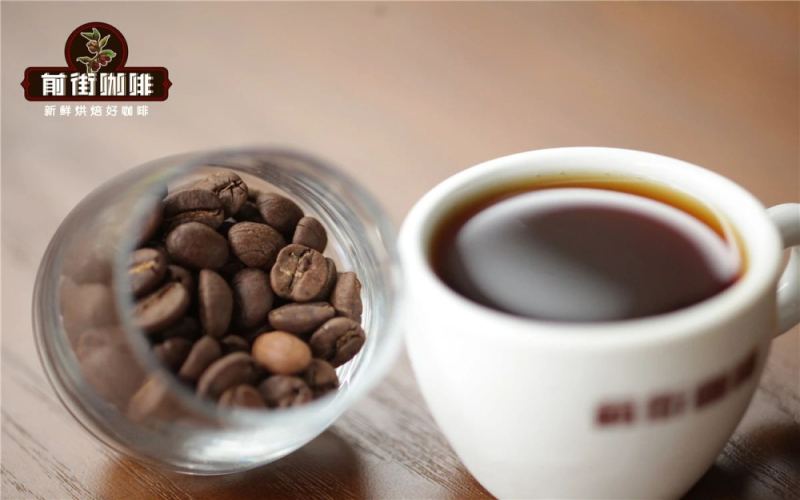
SOE Single-Origin Espresso vs. Espresso Blend Beans: Which Is Better? A Comprehensive Analysis from Definitions to Front Street Coffee Bean Selection Advice
Since the rise of specialty coffee in China, the debate over whether espresso should use single-origin beans or blended beans has never ceased. The SOE camp emphasizes the pure quality of single-origin specialty beans, while the blend camp values the balance and crema performance brought by blending multiple origins. This article will start with the full name and origin of SOE, review the historical milestone of James Hoffmann winning the 2007 WBC with single-origin beans, analyze why blended beans were once stigmatized, and explain the pros and cons of each. At the same time, drawing on the views of Front Street Coffee, it offers selection advice for coffee shops and home users, and finally includes specific flavor information for Front Street's recommended SOE coffee beans and three espresso blends, helping readers build a more complete understanding. [more…]
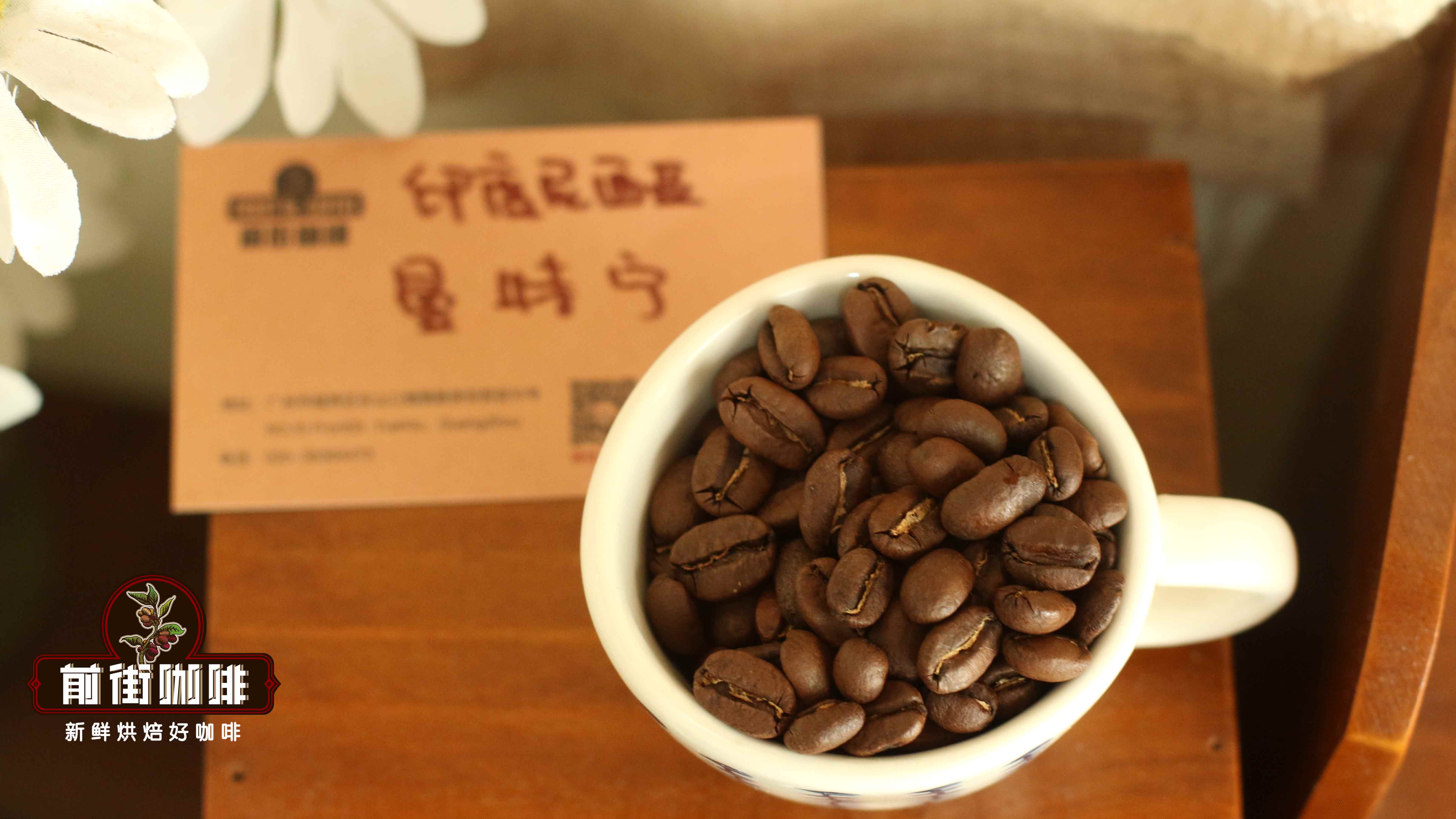
What coffee beans are suitable for pour-over coffee? A complete analysis from flavor differences to Indonesian Mandheling
When making pour-over coffee, choosing the right coffee beans is a key step that determines the flavor expression. Coffee beans are broadly divided into two categories: single-origin and blends. Pour-over, a filter-based extraction method, is more often paired with single-origin beans, but blends can certainly be tried as well. If you want to experience different flavor directions, Front Street Colombia Huila, Front Street Mandheling, and Front Street Yirgacheffe correspond to the three typical styles of medium, bitter, and acidic respectively, and tasting them together allows you to perceive clear differences. This article will also take an in-depth look at the origin background, processing methods, and flavor characteristics of Indonesian Sumatra Lintong Mandheling, and tell the historical story of how the name Mandheling came to be, helping coffee lovers gain a more comprehensive understanding of this classic coffee. [more…]
What is the difference between single-origin coffee beans and blended coffee beans? Which single-origin coffee beans are suitable for a moka pot?
What exactly is the difference between single-origin coffee beans and blended coffee beans? Simply put, single-origin beans come from a single origin or estate and carry a distinctive regional flavor; while traditional espresso mostly uses dark-roasted blended beans, pursuing richness and intensity. When single-origin beans are used for espresso extraction, they are called SOE. Moka pots and espresso machines both use high-temperature, high-pressure extraction, making bean selection especially critical. This article will sort out the core differences between single-origin and blended beans, and recommend three Front Street medium-to-dark roasted single-origin beans suitable for a moka pot, covering Brazil Queen's Estate, PWN Golden Mandheling, and Colombia Strawberry Claw, helping you easily make a cup of moka pot coffee with aromatic crema at home. [more…]
Analysis of Front Street Colombia Coffee Flavor Characteristics and Origin Advantages: A South American Exemplar Among Single-Origin Coffees
Colombian coffee is one of the very few single-origin coffees named after a country, and it enjoys an extremely high international reputation. Unlike most producing countries, Colombia has invested more effort in coffee product development and industry promotion, and together with its exceptional geographical and climatic conditions, this has created its outstanding quality. The Colombian coffee beans brought to you by Front Street Coffee give off a fresh, sweet aroma after roasting; on the palate, there is sweetness within the acidity, the bitterness is mild, and the strength is just right, which is why it is also often chosen as the base for premium coffee blends. Its aroma is elegant and delicate, different from the heavy, intense character of Front Street Brazil coffee, and also different from the bright fruity acidity of African beans. It is a restrained yet memorable elegant charm, sweet and gentle. This article will provide a detailed introduction to the producing regions of Front Street Colombian coffee, its flavor characteristics, and its unique position among single-origin coffees. [more…]
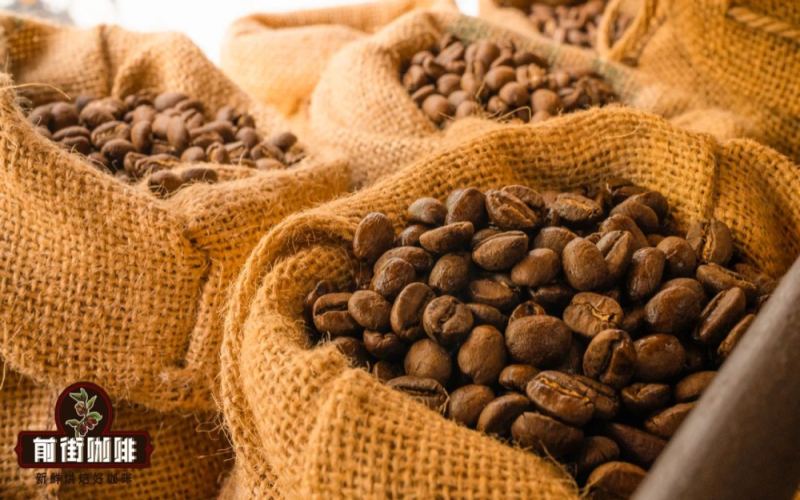
Hand-Brewed Espresso Blend Beans | Can Espresso Blend Beans Be Used for Pour-Over Coffee? Specialty Espresso Blend Coffee Beans Recommended for Gourmet Lattes
Whether it's espresso beans or espresso blends, as the name suggests, they are ingredients used for extraction in espresso machines, which is also the origin of espresso. So what are the characteristics of this kind of coffee? Besides making espresso, can it also be used to make pour-over coffee? Front Street Coffee (FrontStreet Coffee [more…]